



Industrial Ultrasonic Parts Cleaner Overview
The SIWEEP Ultrasonic Parts Cleaner is designed for efficient ultrasonic cleaning of metal parts, automotive components, machine parts, and other industrial components. Ultrasonic cavitation helps remove oil, grease, dirt, carbon deposits, and other contaminants from complex surfaces and hard-to-reach areas. Multiple tank capacities and 28 kHz or 40 kHz frequency options are available for different industrial parts cleaning requirements.
Technical Specifications
| Model | Capacity | Ultrasonic Frequency | Ultrasonic Power | Heating Power | Tank Size (L*W*H) | Ext. Size (L*W*H) | SUS 304 Thickness |
|---|---|---|---|---|---|---|---|
| 1T12 | 37.5L / 9.9Gal. | 28/40KHz | 600W | 1500W | 50*30*25cm (19.7*11.8*9.8″) | 68*48*55cm (26.8*18.9*21.7″) | 2.5mm |
| 1T18 | 61.3L / 16.2Gal. | 28/40KHz | 900W | 1500W | 50*35*35cm (19.7*13.8*13.8″) | 68*53*65cm (26.8*20.9*25.6″) | 2.5mm |
| 1T24 | 88L / 23.2Gal. | 28/40KHz | 1200W | 3000W | 55*40*40cm (21.7*15.7*15.7″) | 73*58*65cm (28.7*22.8*25.6″) | 2.5mm |
| 1T30 | 108L / 28.5Gal. | 28/40KHz | 1500W | 3000W | 60*45*40cm (23.6*17.7*17.7″) | 78*63*65cm (30.7*24.8*25.6″) | 2.5mm |
| 1T36 | 135L / 35.7Gal. | 28/40KHz | 1800W | 4500W | 60*50*45cm (23.6*19.7*19.7″) | 78*68*70cm (30.7*26.8*27.6″) | 2.5mm |
| 1T48 | 175L / 46.2Gal. | 28/40KHz | 2400W | 6000W | 70*50*50cm (27.6*19.7*19.7″) | 88*68*75cm (34.6*26.8*29.5″) | 2.5mm |
| 1T60 | 264L / 69.7Gal. | 28/40KHz | 3000W | 7500W | 80*60*55cm (31.5*23.6*23.6″) | 98*78*80cm (38.6*30.7*31.5″) | 2.5mm |
| 1T72 | 360L / 95.1Gal. | 28/40KHz | 3600W | 9000W | 100*60*60cm (39.4*23.6*23.6″) | 118*78*85cm (46.5*30.7*33.5″) | 2.5mm |
Key Features
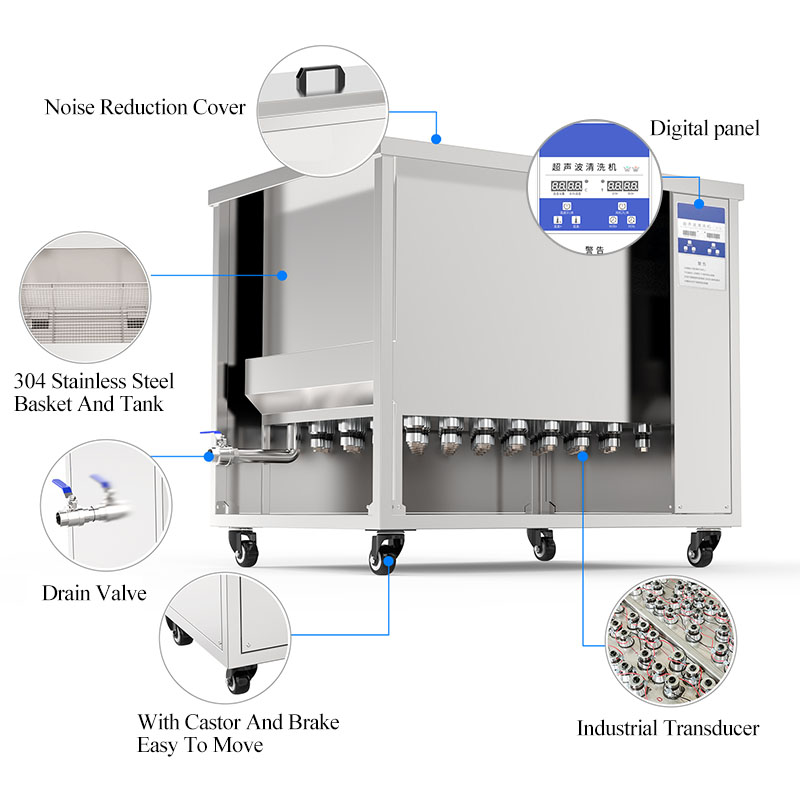
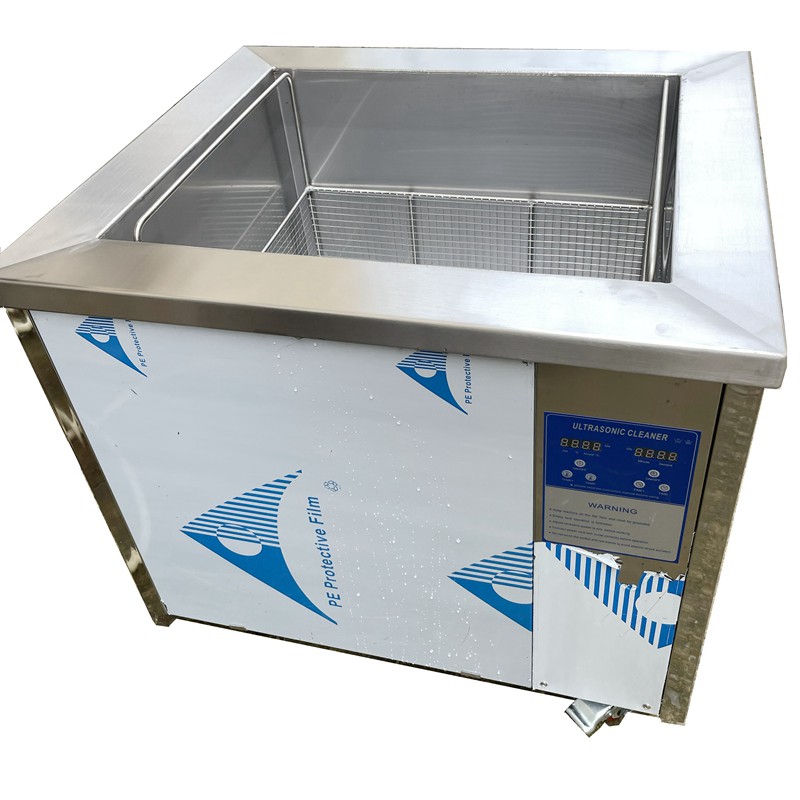
- Single-Tank Industrial Design – Designed for batch cleaning of metal parts, machine components, automotive parts, and other industrial components.
- 28 kHz and 40 kHz Ultrasonic Cleaning – Frequency options for different parts, contamination levels, and cleaning requirements.
- Powerful Ultrasonic Cavitation – Helps remove oil, grease, dirt, carbon deposits, and other contaminants from surfaces, grooves, cavities, and hard-to-reach areas.
- Multiple Tank Capacities – Available from approximately 38L to 360L to accommodate different part sizes and batch cleaning requirements.
- Built-In Heating – Adjustable heating up to 80°C / 176°F supports demanding industrial parts cleaning applications.
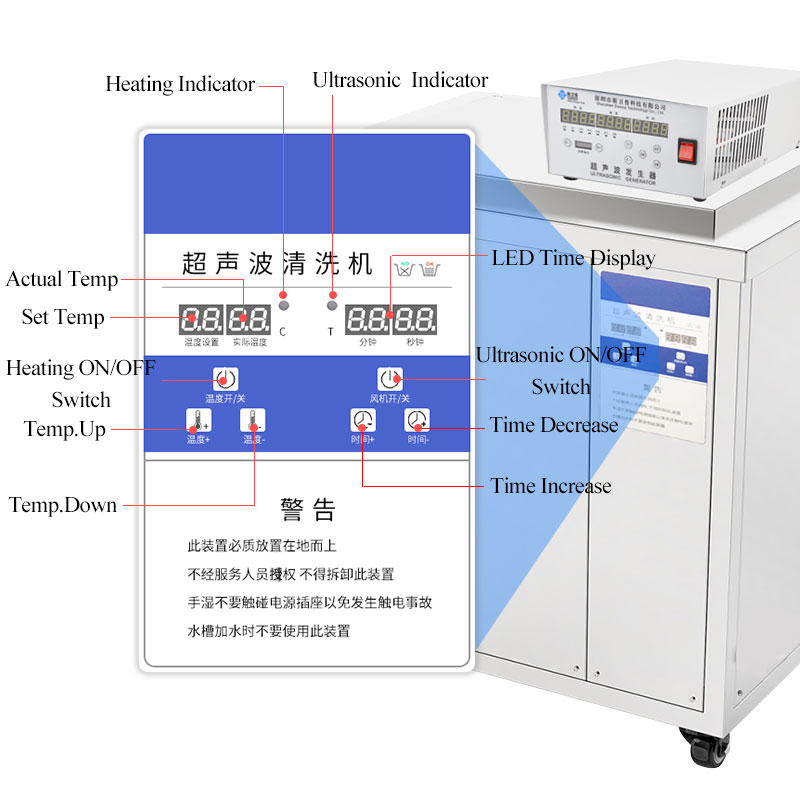
- Digital Time and Temperature Controls – Allows convenient adjustment of cleaning time and solution temperature.
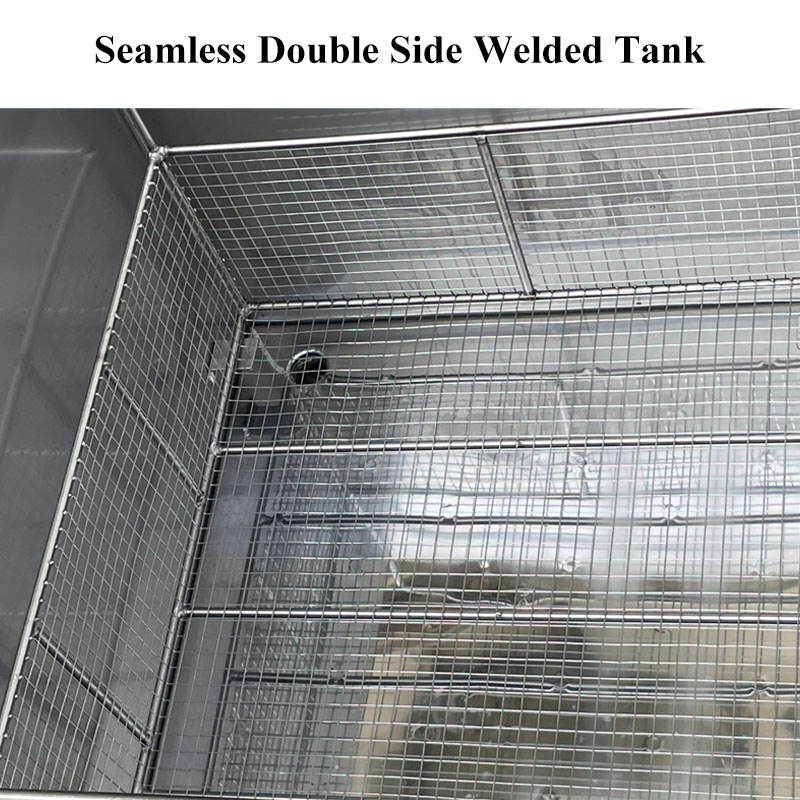
- SUS304 Stainless Steel Construction – Durable stainless steel construction for demanding industrial cleaning environments.
- Stainless Steel Cleaning Basket – Makes loading, handling, and removing parts more convenient while keeping components separated from the tank bottom.
- Efficient Industrial Parts Cleaning – Ultrasonic cleaning reaches complex surfaces and areas that are difficult to clean with conventional manual methods.
- Versatile Applications – Suitable for automotive parts, machine components, metal parts, mechanical components, manufacturing parts, and general industrial cleaning.
Ultrasonic Parts Cleaner Applications
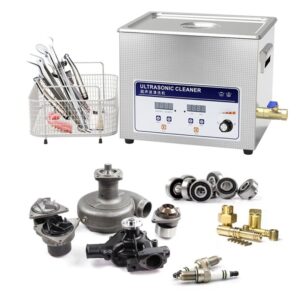
- Automotive Parts Cleaning – Cleaning engine components, gears, valves, fuel system components, and other automotive parts.
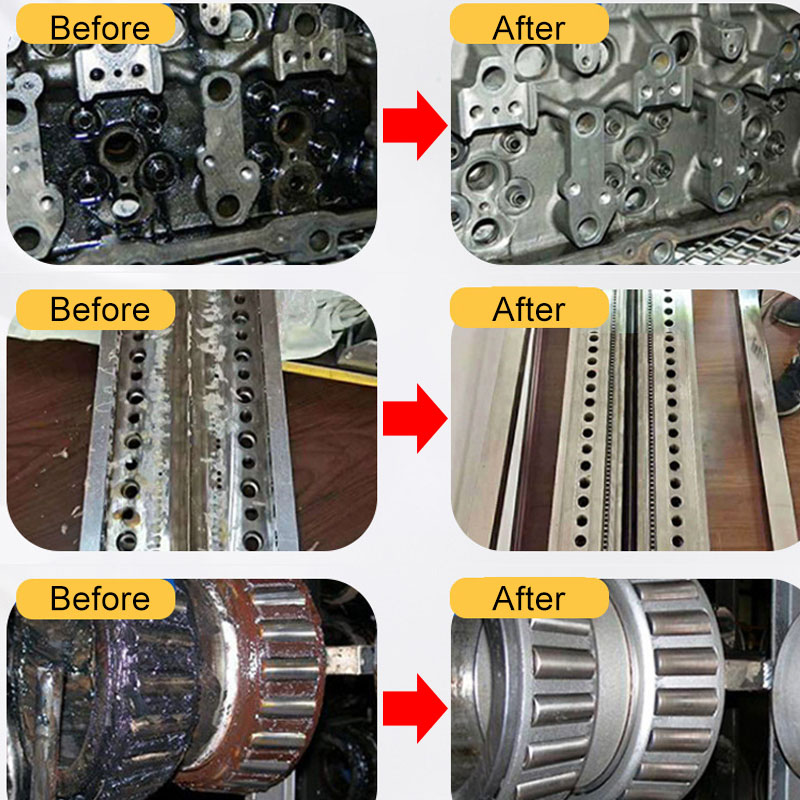
- Metal Parts Cleaning – Removing oil, grease, dirt, carbon deposits, and other contaminants from metal components.
- Machine Parts Cleaning – Suitable for gears, bearings, shafts, tooling, and other machine components.
- Industrial Component Cleaning – Cleaning components used in manufacturing, machinery, maintenance, and equipment servicing.
- Mechanical Parts Cleaning – Helps clean complex mechanical components with grooves, cavities, edges, and hard-to-reach surfaces.
- Manufacturing Parts Cleaning – Suitable for batch cleaning of machined parts and components before assembly, inspection, maintenance, or further processing.
- Maintenance and Repair Cleaning – Provides an efficient method for cleaning contaminated components during equipment maintenance and repair.
- General Industrial Parts Cleaning – Suitable for a wide range of commercial and industrial parts cleaning applications where conventional cleaning methods require excessive manual labor.
What Can an Ultrasonic Parts Cleaner Remove?
An ultrasonic parts cleaner uses ultrasonic cavitation to help remove a wide range of contaminants from metal parts, machine components, automotive parts, and other industrial components. Common contaminants include:
- Oil and Grease – Helps remove petroleum-based oils, lubricants, and heavy grease from industrial and automotive parts.
- Dirt and Grime – Removes accumulated dirt, dust, and general surface contamination.
- Carbon Deposits – Helps loosen carbon buildup from engine components, mechanical parts, and other heat-exposed components.
- Cutting Fluids and Coolants – Suitable for cleaning machining residues and fluids from manufactured metal parts.
- Metal Particles and Debris – Helps remove fine particles and machining debris from component surfaces and cavities.
- Rust and Oxidation Residues – Can assist in removing loose rust and oxidation-related contamination when used with an appropriate cleaning solution.
- Other Industrial Contaminants – Suitable for removing residues and contaminants that are difficult to reach with conventional manual cleaning.
The cleaning results depend on the part material, contaminant type, cleaning solution, ultrasonic frequency, temperature, and cleaning time.
How Does an Ultrasonic Parts Cleaner Work?
An ultrasonic parts cleaner uses ultrasonic cavitation to clean parts by creating microscopic bubbles in a liquid cleaning solution. When these bubbles rapidly form and collapse, they generate localized cleaning action that helps loosen and remove contaminants from surfaces, grooves, cavities, and other hard-to-reach areas.
The cleaning process typically involves:
- Fill the tank – Add an appropriate cleaning solution to the ultrasonic cleaning tank.
- Set the temperature and time – Adjust the cleaning temperature and cycle time according to the parts and contaminants.
- Place the parts in the basket – Position the components so the cleaning solution can circulate around their surfaces.
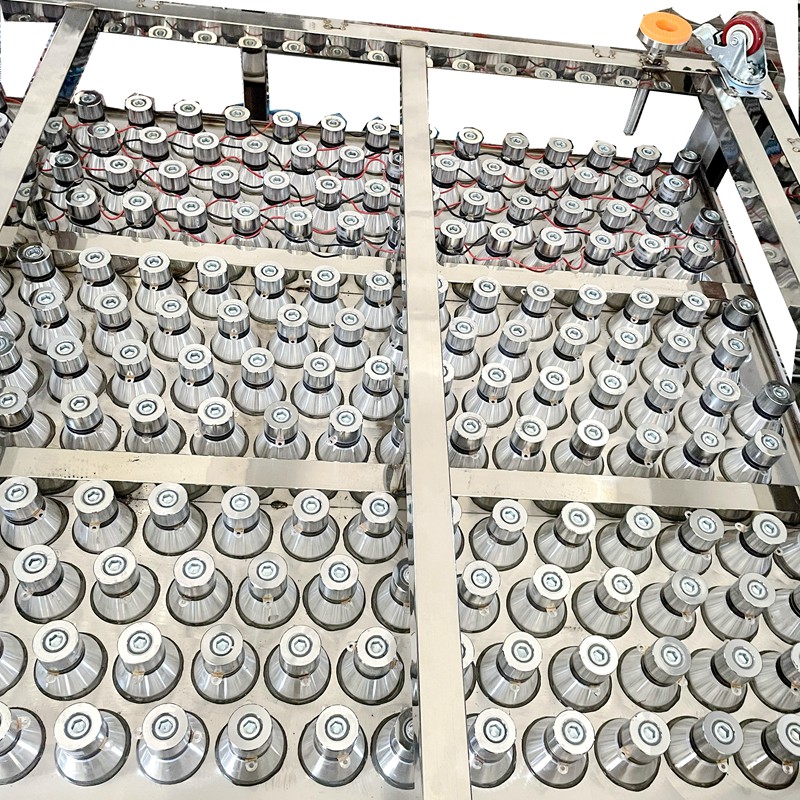
- Generate ultrasonic waves – Ultrasonic transducers convert electrical energy into high-frequency mechanical vibrations, typically at 28 kHz or 40 kHz for parts cleaning.
- Create cavitation – The ultrasonic waves create microscopic bubbles throughout the cleaning solution. Their rapid formation and collapse help loosen oil, grease, dirt, carbon deposits, and other contaminants.
- Complete the cleaning cycle – After cleaning, remove the parts, rinse if necessary, and dry them before further processing or use.
Ultrasonic cleaning is particularly useful for industrial parts with complex shapes, grooves, cavities, and difficult-to-reach surfaces where conventional manual cleaning can be time-consuming.
Choose the Right Ultrasonic Parts Cleaner
The SIWEEP Ultrasonic Parts Cleaner Series is designed for industrial parts cleaning applications, with multiple tank capacities, ultrasonic frequencies, heating options, and system configurations. These industrial ultrasonic parts cleaners are suitable for cleaning automotive parts, metal components, machine parts, tools, molds, and other industrial components in workshops, manufacturing facilities, maintenance operations, and automotive service environments.
Available tank capacities range from approximately 37.5L to 360L, allowing users to select a single tank ultrasonic parts cleaner according to part dimensions, batch size, cleaning volume, available workspace, and application requirements.
Standard Configuration Options Include:
1. Tank Capacity Options
Multiple ultrasonic cleaner tank sizes are available for different parts and batch cleaning requirements. Smaller tanks are suitable for tools, automotive components, and smaller industrial parts, while larger tanks provide additional cleaning space for oversized components and higher-volume industrial parts cleaning applications.
2. Ultrasonic Frequency Options
SIWEEP ultrasonic parts cleaners are available in two common frequency configurations to support different cleaning requirements:
- 28 kHz – Provides stronger cavitation and is well suited for larger industrial parts, heavy grease, oil, carbon deposits, and other stubborn contaminants.
- 40 kHz – Provides balanced cleaning performance for general-purpose parts cleaning, metal components, tools, and applications requiring more controlled cavitation.
3. Heating & Digital Control System
Models feature adjustable heating up to 80°C / 176°F and digital controls for cleaning time and temperature. These functions allow users to adjust the ultrasonic cleaning process according to the part material, contamination level, cleaning solution, and cleaning requirements.
4. Ultrasonic Power & System Configuration
Ultrasonic power is matched to the tank capacity and cleaning requirements to provide effective cavitation throughout the cleaning solution. The ultrasonic parts cleaner configuration can be selected according to part dimensions, contamination levels, batch volume, frequency, and required cleaning performance.
5. Custom Ultrasonic Parts Cleaning Solutions
SIWEEP can support different industrial ultrasonic parts cleaner configurations based on tank capacity, ultrasonic frequency, power requirements, and accessories. Contact SIWEEP to discuss custom requirements for automotive parts cleaning, manufacturing, machinery maintenance, and other professional ultrasonic parts cleaning applications.
| Tank Capacity | Typical Ultrasonic Parts Cleaning Applications |
|---|---|
| 37.5L–61.3L | Automotive parts, tools, metal components, and small to medium industrial parts |
| 88L–135L | Machine components, manufacturing parts, molds, and medium-sized industrial assemblies |
| 175L–264L | Large automotive parts, industrial components, tooling, and heavy-duty parts cleaning |
| 360L | Large industrial components, oversized parts, and high-volume batch cleaning |
How to Use an Ultrasonic Parts Cleaner
Using an ultrasonic parts cleaner involves selecting the appropriate cleaning solution, temperature, ultrasonic frequency, and cleaning time for the parts and contaminants. Follow these general steps:
- Prepare the Cleaning Tank – Fill the tank with an appropriate ultrasonic cleaning solution to the recommended operating level. Use a cleaning solution compatible with the parts being cleaned.
- Select the Ultrasonic Frequency – Choose 28 kHz for larger parts and heavier contamination such as oil, grease, and carbon deposits. Choose 40 kHz for general-purpose parts cleaning and applications requiring more controlled cavitation.
- Set the Cleaning Temperature – Adjust the heating temperature according to the cleaning solution, part material, and type of contamination. SIWEEP models support heating up to 80°C / 176°F.
- Load the Parts into the Basket – Place the parts in the cleaning basket without overcrowding. Keep the components fully immersed and allow the cleaning solution to circulate around their surfaces.
- Set the Cleaning Time – Select an appropriate cleaning cycle based on the part condition and contamination level. Heavily contaminated parts may require a longer cleaning cycle.
- Start the Ultrasonic Cleaning Cycle – Activate the ultrasonic system and allow cavitation to loosen contaminants from surfaces, grooves, cavities, and other difficult-to-reach areas.
- Inspect and Rinse the Parts – After the cleaning cycle, remove the parts from the basket and inspect them. Rinse the components when necessary to remove remaining cleaning solution or loosened contaminants.
- Dry the Cleaned Parts – Dry the parts thoroughly using an appropriate drying method before assembly, storage, inspection, or further processing.
For consistent industrial parts cleaning, cleaning time, temperature, ultrasonic frequency, and cleaning solution should be selected according to the specific part material and contamination. Always follow the operating instructions and safety recommendations for the particular ultrasonic parts cleaner and cleaning solution.
Tips for Best Cleaning Results
Follow these practical tips to achieve better cleaning results with your SIWEEP ultrasonic parts cleaner.
- Choose the Right Ultrasonic Frequency – Use 28 kHz for larger parts and heavy contamination such as oil, grease, and carbon deposits. Choose 40 kHz for general-purpose parts cleaning and more controlled cavitation.
- Use the Appropriate Cleaning Solution – Select a cleaning solution compatible with the part material and the contaminants being removed. The right solution can significantly improve cleaning performance.
- Set the Proper Temperature – Heated cleaning can improve the removal of oil, grease, and other contaminants. Adjust the temperature according to the cleaning solution, part material, and application.
- Avoid Overloading the Basket – Arrange parts with enough space between them so ultrasonic energy and cleaning solution can reach the surfaces effectively.
- Fully Immerse the Parts – Make sure the parts are adequately covered by the cleaning solution and positioned properly inside the cleaning basket.
- Use the Appropriate Cleaning Time – Start with a shorter cleaning cycle and increase the time when necessary based on the contamination level and cleaning results.
- Keep the Cleaning Solution Clean – Replace or filter the solution when it becomes heavily contaminated. Excessive debris and contaminants can reduce cleaning effectiveness.
- Rinse and Dry After Cleaning – Rinse parts when necessary to remove remaining cleaning solution and loosened contaminants, then dry them thoroughly to prepare them for further processing or storage.
- Test Before Full-Scale Cleaning – For new parts, materials, or cleaning solutions, test a small batch first to confirm compatibility and achieve the desired cleaning results.
For demanding industrial parts cleaning, the best results typically come from balancing ultrasonic frequency, cleaning solution, temperature, cleaning time, and tank loading rather than relying on ultrasonic power alone.
What’s Included in the Package?
The SIWEEP Industrial Ultrasonic Cleaner package includes the essential equipment and accessories needed for setup, operation, and routine industrial parts cleaning.
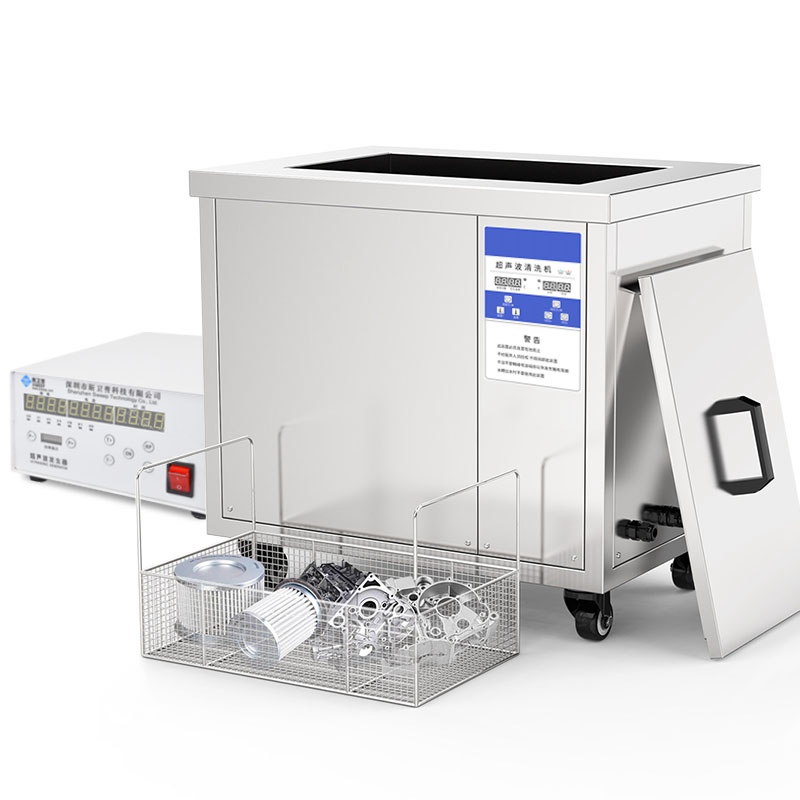
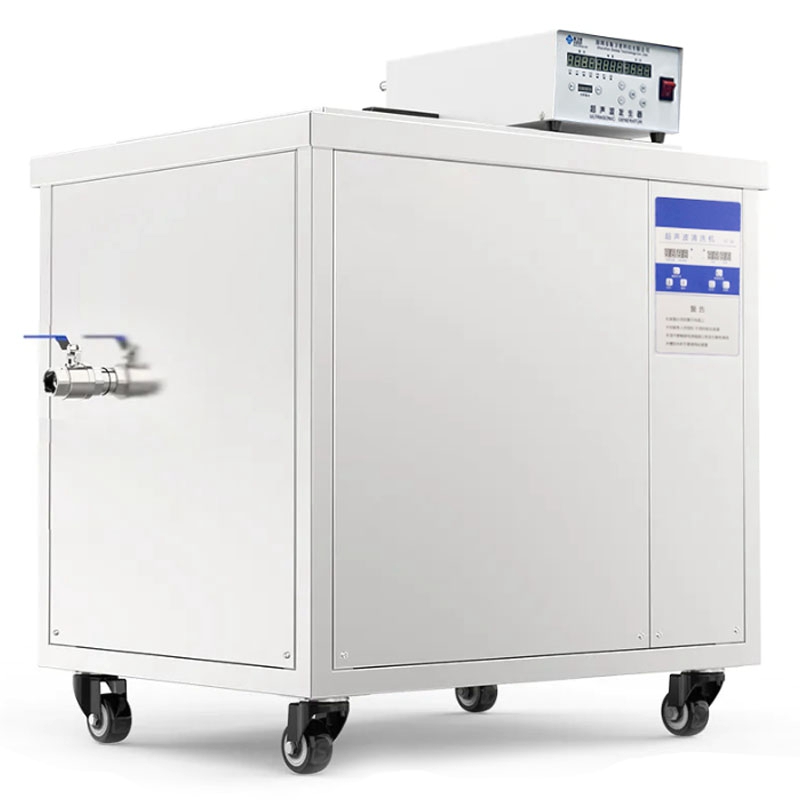
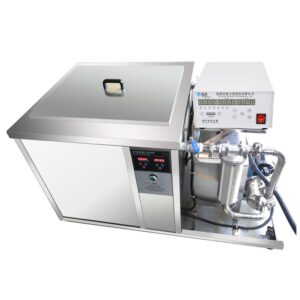
- 1 × SIWEEP Industrial Single Tank Ultrasonic Cleaner – Professional industrial ultrasonic cleaning machine with the selected tank capacity, ultrasonic frequency, heating, and digital control configuration.
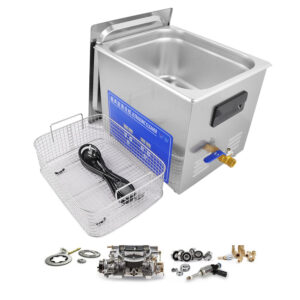
- 1 × Heavy-Duty Stainless Steel Cleaning Basket – Durable stainless steel basket designed for convenient loading, handling, and removal of automotive parts, metal components, tools, and other items being cleaned.
- 1 × Stainless Steel Soundproof Lid – Stainless steel lid designed to help reduce operating noise and limit cleaning solution evaporation during the ultrasonic cleaning cycle.
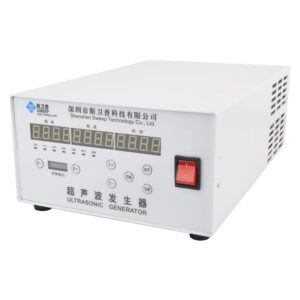
- 1 × Industrial Ultrasonic Generator System – High-performance ultrasonic generator designed to provide stable ultrasonic power and consistent cavitation for reliable parts cleaning.
- 1 × Power Cord – Power connection supplied according to the selected equipment configuration and applicable regional electrical requirements.
- 1 × Professional User Manual – Includes essential information for equipment setup, operation, cleaning procedures, safety precautions, and routine maintenance.
Note: Package contents may vary depending on the selected model, tank capacity, electrical configuration, and accessories. Please refer to the specific product configuration or contact SIWEEP for details.
Why Choose a SIWEEP Ultrasonic Parts Cleaner?
Choosing a SIWEEP Industrial Ultrasonic Parts Cleaner means getting reliable ultrasonic cleaning performance, durable construction, and flexible configurations for different industrial parts cleaning requirements.
- Designed for Industrial Parts Cleaning – Built for cleaning automotive parts, metal components, machine parts, tools, molds, and other industrial components in workshops, manufacturing facilities, maintenance operations, and automotive service environments.
- 28 kHz and 40 kHz Options – Select 28 kHz for stronger cavitation and heavier contamination such as oil, grease, and carbon deposits, or 40 kHz for general-purpose parts cleaning and more controlled cavitation.
- Wide Capacity Range – Available in approximately 37.5L to 360L tank capacities, making it easier to match the ultrasonic parts cleaner to different part sizes and batch cleaning volumes.
- Durable SUS304 Stainless Steel Construction – Stainless steel tanks are designed for reliable operation in demanding professional and industrial cleaning environments.
- Heating and Digital Controls – Adjustable heating up to 80°C / 176°F, together with digital time and temperature controls, allows users to adjust cleaning parameters according to the parts, contaminants, and cleaning solution.
- Effective Ultrasonic Cavitation – High-performance ultrasonic cleaning helps remove oil, grease, carbon deposits, dirt, and other contaminants from grooves, cavities, edges, and difficult-to-reach surfaces.
- Flexible Industrial Configurations – Tank capacity, ultrasonic frequency, power, heating, and related configurations can be selected according to specific industrial parts cleaning requirements.
- Quality-Controlled Equipment – SIWEEP products undergo functional testing and quality inspections before shipment. The company’s quality process includes a 48-hour continuous operation test for industrial ultrasonic cleaning equipment.
- Technical and After-Sales Support – SIWEEP provides product selection assistance, operating guidance, troubleshooting, replacement parts, and technical support for ultrasonic cleaning equipment.
- Professional Ultrasonic Cleaning Solutions – SIWEEP provides ultrasonic cleaning equipment for automotive, manufacturing, maintenance, electronics, precision parts, and other professional applications.
Frequently Asked Questions
Q: What is an ultrasonic parts cleaner?
A: An ultrasonic parts cleaner uses ultrasonic cavitation in a liquid cleaning solution to help remove oil, grease, dirt, carbon deposits, and other contaminants from industrial parts and components.
Q: What can an ultrasonic parts cleaner clean?
A: Ultrasonic parts cleaners can be used for automotive parts, metal components, machine parts, tools, molds, bearings, gears, valves, and other industrial components.
Q: What frequency should I choose for an ultrasonic parts cleaner?
A: 28 kHz is generally suitable for larger parts and heavier contamination such as oil, grease, and carbon deposits. 40 kHz is a versatile option for general-purpose parts cleaning and applications requiring more controlled cavitation.
Q: Can an ultrasonic parts cleaner remove oil and grease?
A: Yes. With an appropriate cleaning solution, ultrasonic cavitation and heating can help loosen and remove oil, grease, lubricants, and other industrial residues.
Q: What tank size do I need for an ultrasonic parts cleaner?
A: Tank size should be selected according to the dimensions and quantity of the parts being cleaned. SIWEEP single-tank models are available from approximately 37.5L to 360L for different batch cleaning requirements.
Q: How hot can a SIWEEP ultrasonic parts cleaner get?
A: SIWEEP models feature adjustable heating up to 80°C / 176°F, depending on the specific configuration.
Q: How long does ultrasonic parts cleaning take?
A: Cleaning time depends on the part material, contaminant type, contamination level, cleaning solution, temperature, and ultrasonic frequency. A shorter cycle can be used for light contamination, while heavily contaminated parts may require additional cleaning time.
Q: Can ultrasonic cleaning reach complex parts and small areas?
A: Yes. Ultrasonic cavitation can reach grooves, cavities, edges, and other difficult-to-reach surfaces that may be difficult to clean effectively with conventional manual methods.
Q: What cleaning solution should I use in an ultrasonic parts cleaner?
A: Use a cleaning solution appropriate for both the part material and the contaminants being removed. The solution should be suitable for ultrasonic cleaning and used according to the manufacturer’s instructions.
Q: Can I clean different types of parts in the same ultrasonic cleaner?
A: Yes, provided the parts are compatible with the cleaning solution and ultrasonic cleaning process. For different materials or contamination types, cleaning parameters and solutions may need to be adjusted.
For detailed operating instructions and technical information, please refer to the Industrial Ultrasonic Cleaner User Manual.
Need a Custom Solution?
If you require a customized solution to meet your specific application, size, power, frequency, or other technical requirements, please contact us at [email protected]. Our team will be happy to discuss your requirements and provide a suitable solution.
j***y (verified owner) –
Solid piece of equipment. We’ve been running this 264L tank in our shop for a few weeks now, and it handles heavy parts easily without breaking a sweat. The tank size is generous, the build quality is sturdy stainless steel, and the cleaning action gets into corners that manual scrubbing always misses. Controls are straightforward and reliable. Decent delivery time and well-packaged. Does the job exactly as advertised.